Late Nights, Screens and Dry Air: What Your Under-Eyes Are Telling You
Your under-eyes are often the first place a busy lifestyle shows up. A few late nights, long hours at a screen, or days spent in strong air conditioning, and the area can look darker, puffier or more crinkled.
The good news is that lifestyle-related changes are often the most manageable. The honest news is that lifestyle is rarely the whole story. Here is what each habit does, what it does not do, and when under eye rejuvenation may be worth considering.
Why the Under-Eye Area Shows Everything
The skin beneath your eyes is among the thinnest on the body, with very little oil and fat to cushion it. Blood vessels and muscle sit close to the surface. That is why tiredness, dehydration and irritation show here before anywhere else on the face.
Late Nights and Poor Sleep
What happens: Short or broken sleep can leave skin looking paler and duller, which makes the blood vessels underneath more visible. This creates a bluish or purplish tint. Fluid can also pool around the eyes, adding puffiness.
What it does not do: Poor sleep does not cause permanent dark circles on its own. If your circles look the same after a full week of good rest, something else is contributing, such as pigmentation, under eye hollows or naturally thin skin.
What helps:
A consistent sleep and wake time
Sleeping with your head slightly raised to reduce fluid pooling
Limiting alcohol and heavy, salty meals close to bedtime
Screen Time
What happens: Long periods at a screen reduce how often you blink, which can leave eyes dry, tired and irritated. Squinting and rubbing add strain to the delicate skin around them. Late-night scrolling also cuts into sleep.
What the evidence says: Screens do not appear to damage under-eye skin directly. The effect is mostly indirect, through eye strain, rubbing and lost sleep. Claims that screens alone cause dark circles are overstated.
What helps:
Follow the 20-20-20 habit: every 20 minutes, look at something 20 feet away for 20 seconds
Blink deliberately and use lubricating drops if your eyes feel dry
Keep screens at a comfortable distance and brightness
Avoid rubbing your eyes
Dry Air and Air Conditioning
What happens: Moving between hot outdoor heat and cold, dry air conditioning is hard on skin. Low humidity pulls water from the skin surface, so the under-eye area can look dull, crepey and finely lined. Dehydrated skin also looks thinner, which makes darkness more obvious.
What helps:
Moisturise the eye area morning and night with a gentle, hydrating product
Drink water consistently through the day
Use a humidifier in rooms where you spend long hours
Avoid sitting directly in the airflow of a vent
Sun and Heat
What happens: Strong sun speeds up collagen breakdown and can darken pigmentation around the eyes. Squinting adds fine lines over time.
What helps: Sunglasses, a mineral SPF applied close to (but not into) the eyes, and shade where possible. Sun protection is one of the most effective long-term habits for the eye area.
Reading the Signs: What Is Your Under-Eye Telling You?
What you notice
Possible meaning
Blue or purple tint, worse when tired
Thin skin, poor sleep, dehydration
Brown shade that looks the same all day
Pigmentation
Shadow or groove that softens with overhead light
Volume loss or hollows
Puffy mornings that settle by afternoon
Fluid retention or allergy
Fine lines and crepey texture
Dryness, sun damage, collagen loss
Many people see a combination, which is why lifestyle changes alone sometimes plateau.
When Lifestyle Changes Are Not Enough
If you have improved your sleep, hydration and sun protection and the area still looks tired, the cause may be structural or skin-quality related. A doctor can assess which options suit you:
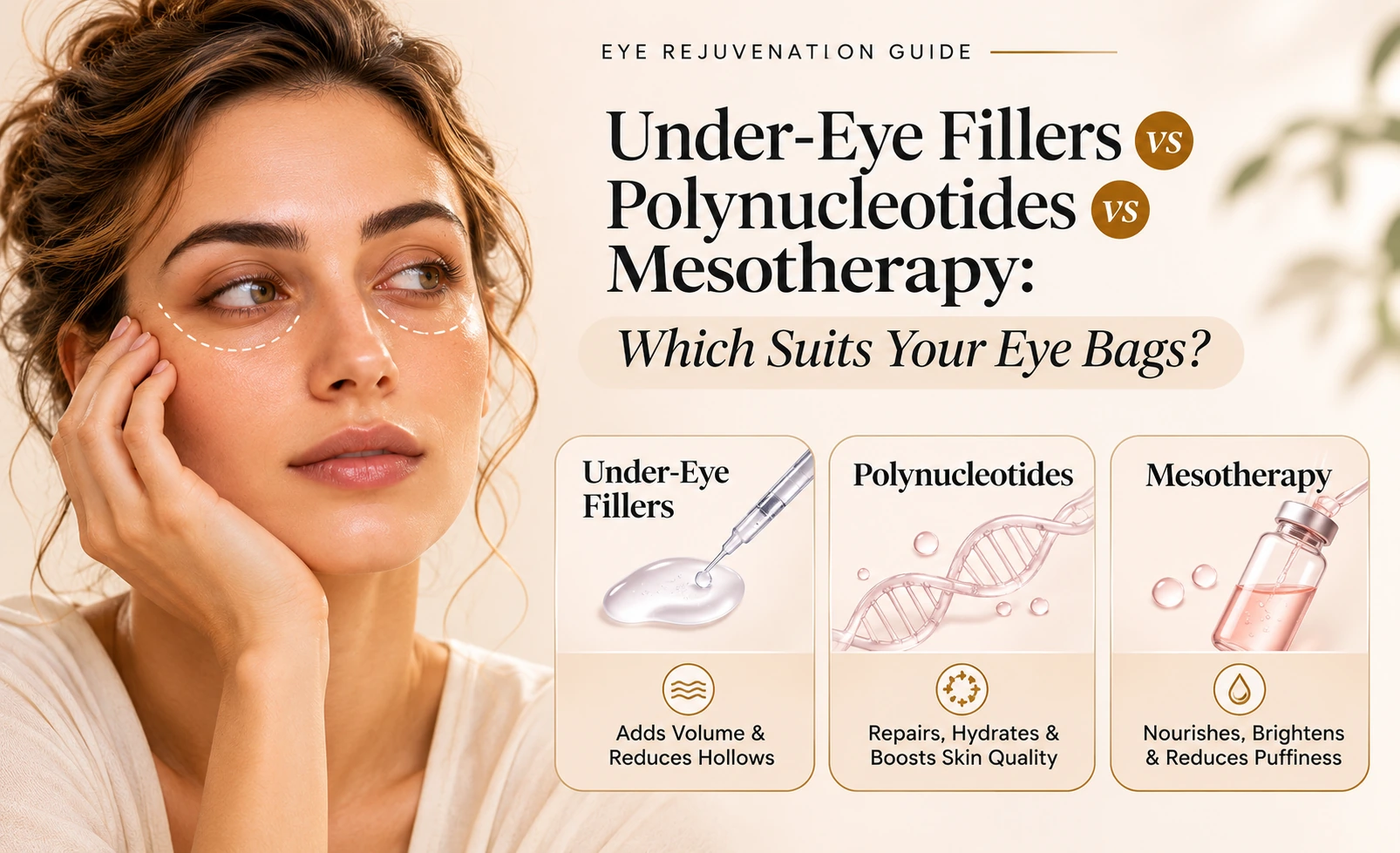
Dull, dehydrated skin: Under eye mesotherapy delivers hydrating and skin-conditioning ingredients and is often considered for tone and radiance over a course of sessions.
Thin, crepey skin: Polynucleotide treatments, commonly called salmon DNA, are used to support hydration and elasticity in delicate skin.
Hollows and shadows: An under eye filler may soften volume loss when it is the main cause.
For concerns that extend beyond the eyes, such as fine lines or loss of firmness, anti-ageing treatments may also be part of the discussion.
A Simple Daily Routine for the Under-Eyes
Morning: Gentle cleanse, hydrating eye product, mineral SPF, sunglasses. Evening: Remove makeup and dust thoroughly, apply a moisturising or peptide-based eye product, and keep screens off before bed where you can.
Consistency matters more than expensive products.
When to Get Checked
Persistent swelling, one-sided changes, pain, or dark circles that appear suddenly can have medical causes such as allergies, thyroid conditions or anaemia. See a doctor if your concern does not fit a lifestyle explanation.
Final Thoughts
Your under-eyes do reflect your sleep, screen habits and environment, but they also reflect genetics and anatomy. Lifestyle changes can make a real difference, and understanding what remains afterwards helps you choose sensible, realistic next steps.
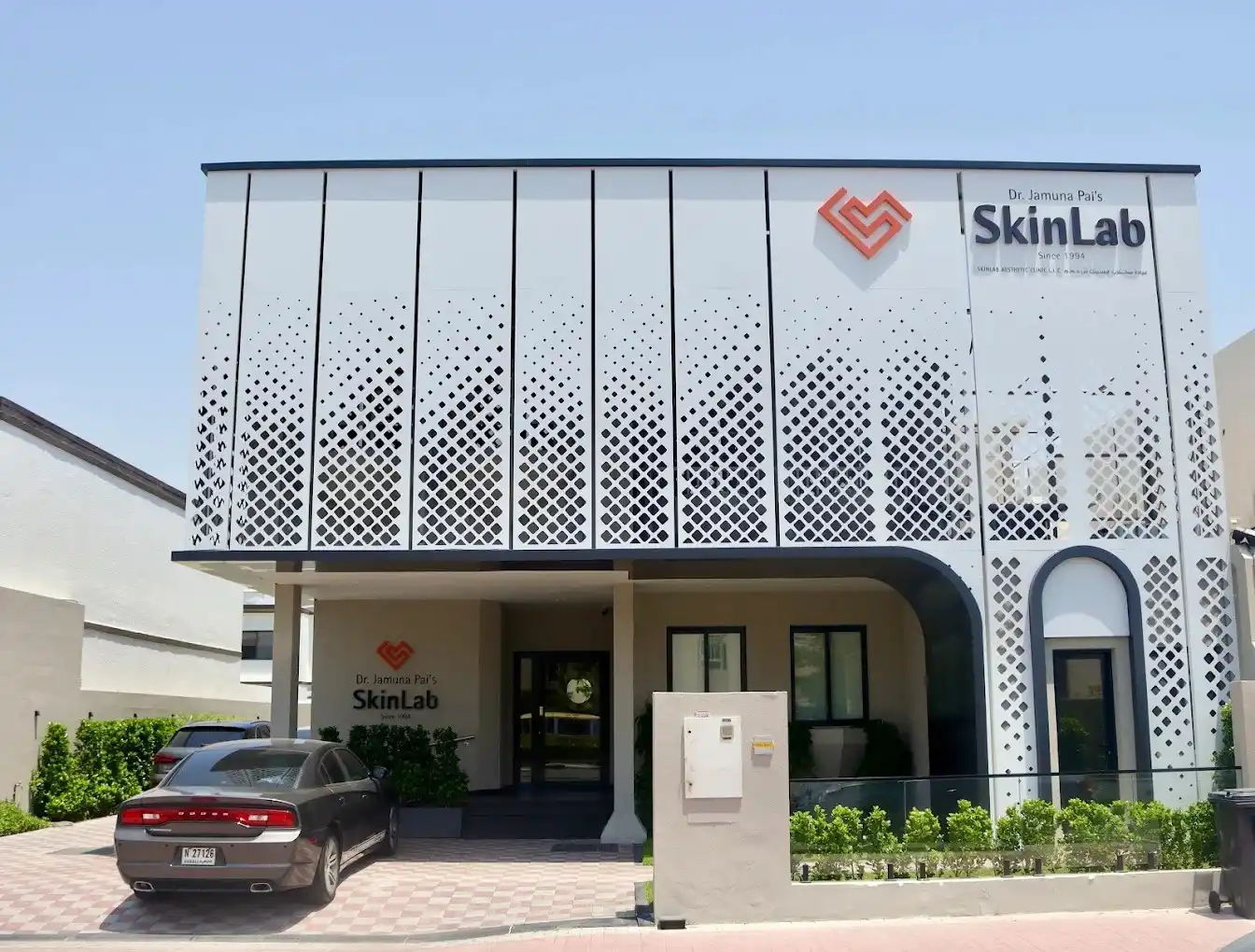
If your eyes still look tired despite good habits, a consultation at SkinLab Dubai can help identify the cause and explore suitable options for your skin.
Every procedure at our Dubai aesthetic clinic is performed by a licensed medical practitioner — never delegated to non-medical staff. From injectables to energy-based devices, treatment decisions are made by a doctor who has assessed your skin in person, not by a package sold at reception.
02
32+ Years of Cosmetic Dermatology Expertise
SkinLab was founded by Dr Jamuna Pai, a cosmetic physician with more than three decades in medical aesthetics and one of the most recognised names in the field across India. That experience now sits behind every consultation at our Jumeirah clinic.
03
Advanced Aesthetic Technology
Our Dubai clinic runs globally trusted technologies including Morpheus8 radiofrequency microneedling, medical-grade lasers, hyaluronic acid fillers and thread lifts. We adopt a device only once the clinical evidence behind it is established — not when it starts trending.
04
Personalised Skin Treatment Plans
Your treatment plan is built after a skin assessment and medical history review, then adjusted as your skin responds. Two patients with the same concern often leave with different plans, because skin type, lifestyle and downtime tolerance all change the right answer.
05
Safety, Licensing & Clinical Standards
Single-use consumables, licensed and traceable products, documented protocols and a full medical history review before any procedure. If a treatment isn't appropriate for you, we will say so and suggest an alternative — including doing nothing.
06
A Skin Clinic in the Heart of Jumeirah
We're on Al Wasl Road in Al Manara, minutes from Umm Suqeim, Safa Park, Downtown Dubai and Business Bay, with on-site parking. Appointments are scheduled with real consultation time rather than back-to-back slots.