Acne might go away, but the traces it leaves behind often stay. Many people find it hard to tell if they have temporary marks or lasting skin damage. At Skinlab, patients often mix up the terms, but learning the difference between acne marks vs acne scars is key to finding the right solution and achieving noticeable improvements. Let us explain the differences and explain the best dermatologist-supported treatments Skinlab offers.
Acne Marks vs Acne Scars
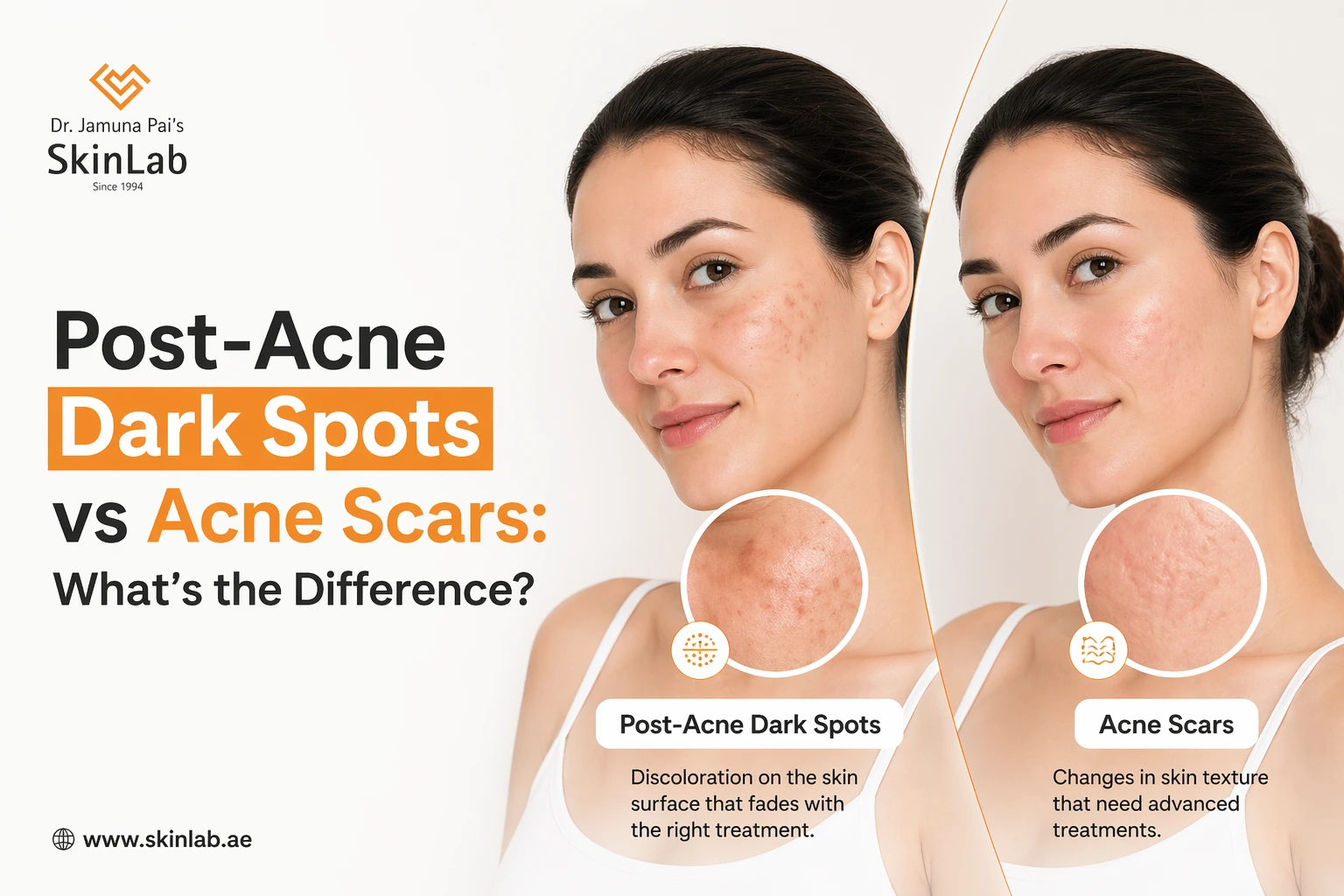
The main difference between acne marks vs acne scars is whether the problem involves skin colour changes or texture issues.
Acne marks show up as flat skin discolouration, which happens when the skin heals. On the other hand, acne scars involve more serious damage to the skin’s structure. This difference matters because surface-level problems are easier to treat with simple methods, while deeper scars need more advanced treatments.
What Are Acne Marks?
Also called post-inflammatory hyperpigmentation, acne marks are one of the top issues we handle at Skinlab. These marks appear as darker spots on the skin after a pimple has healed. Many people refer to them as dark spots after acne.
These spots show up when inflammation causes too much melanin to form, leaving dark marks on the skin even after the acne clears. Unlike scars, they don’t change your skin’s texture and stay flat.
Often, these marks fade as time passes. But things like sun exposure or waiting too long to treat them, as well as your skin type, can make them last longer.
What Are Acne Scars?
Acne scars happen when the deeper layers of the skin are damaged. If intense inflammation interferes with how the skin heals itself, it can either produce too much collagen or not enough.
This leads to noticeable changes in skin texture, like indents called atrophic scars or bumps known as hypertrophic scars. Acne scars, unlike post-inflammatory hyperpigmentation, don’t improve over time and need help from a professional to treat.
At Skinlab, many patients think they have pigmentation when it's actually early scarring. This confusion often puts off the right treatments.
Why Knowing the Difference Improves Treatment
Confusing acne marks vs acne scars can result in using treatments that don't work and make skin problems last longer. Issues related to pigmentation respond better to brightening or skin resurfacing treatments. On the other hand, treating scars often needs methods that boost collagen.
Dark Spots After Acne
Dark spots after acne happen because of inflammation. When acne damages the skin, melanocytes, cells that make pigment, create more colour in certain spots.
Some things can make this issue worse or last longer:
- Popping or squeezing pimples
- Going out in the sun without protection
- Waiting too long to treat it or using the wrong methods
- Hormonal shifts in the body
Post inflammatory hyperpigmentation fades over time, but if you don't take care of it, it might stick around for several months.
What Leads to Acne Scars?
More serious damage to the skin interrupts its natural healing, which often results in acne scars. Severe or cystic acne triggers this, as the inflammation harms the tissue beneath the surface.
When the body fails to produce enough collagen, it can lead to sunken scars. Producing too much, however, might result in raised scars. These structural changes differ from pigmentation and are harder to address.
Addressing Acne Marks
Post-inflammatory hyperpigmentation affects the outer layer of the skin, so treatment aims to lower melanin levels and renew the skin.
Skinlab provides effective acne pigmentation treatment, including chemical peels that remove surface layers and even out skin tone. We also use laser treatments that help fade stubborn dark spots by breaking apart melanin.
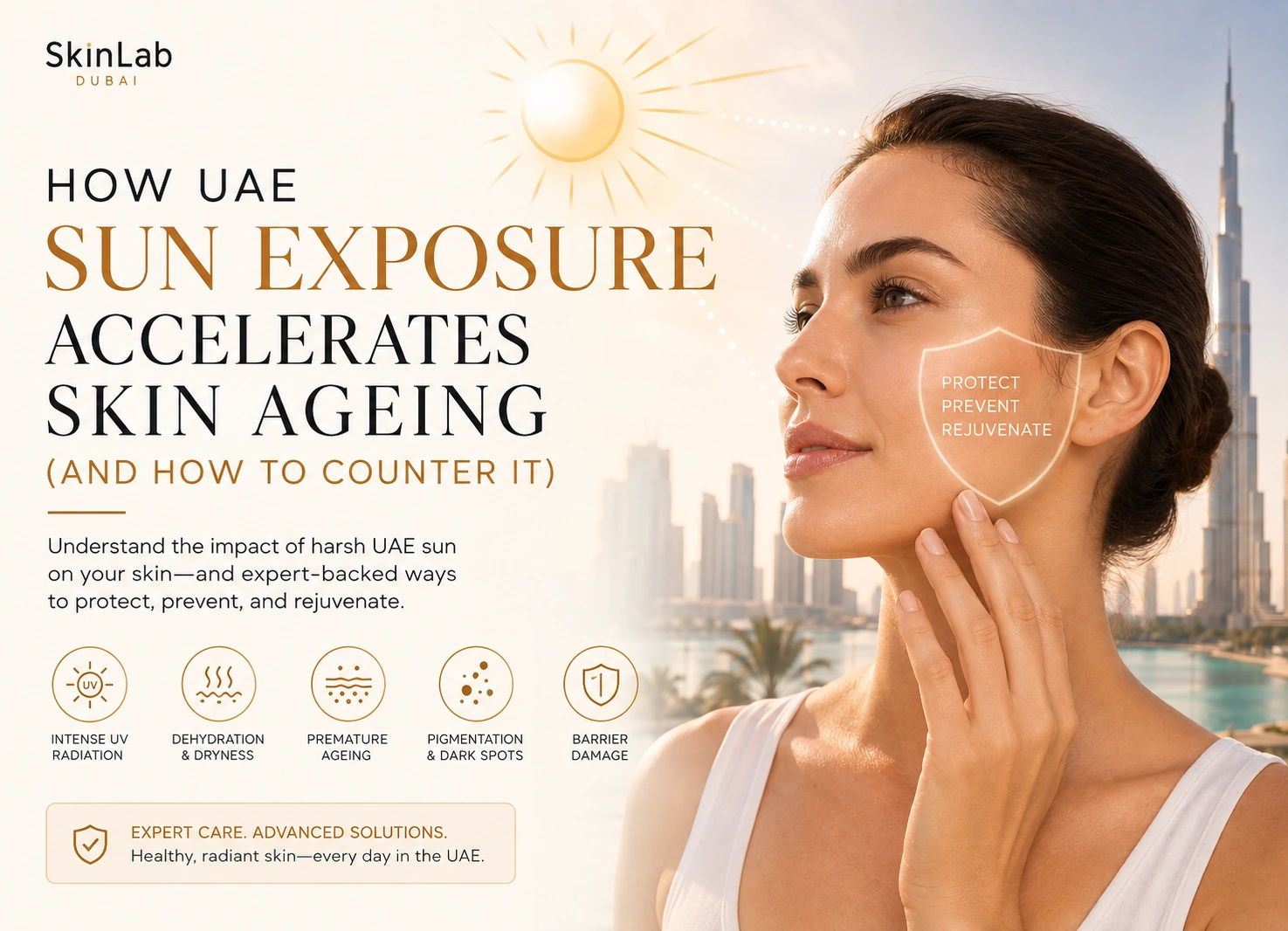
Doctors might recommend creams or other topical products to repair the skin and improve results. Protecting your skin from UV rays is also crucial, as sun exposure can make discolouration worse and slow recovery.
Managing Acne Scars
When exploring acne scar treatment options, the main aim is to rebuild the skin and boost collagen levels.
At Skinlab, we often rely on microneedling. This method activates the skin’s natural repair process, which helps make the texture smoother and scars less deep. Fractional laser therapy is another advanced choice. It works by resurfacing the skin and encouraging it to renew from within.
Experts often suggest combining different treatments. This helps handle a mix of scar types more. Our professionals ensure that treatments are safe and show noticeable improvements.
Unlike fading pigmentation, treating acne scars takes time and a clear plan to see results. Following the right steps makes visible progress achievable.
Can Acne Marks Happen with Scars at the Same Time?
Yes, this happens more often than people think. A lot of people deal with post-inflammatory hyperpigmentation along with textural scarring at the same time.
At Skinlab, we create customised treatment plans to tackle both issues together. These plans work to reduce surface discolouration and improve skin texture. By combining treatments, we aim to deliver results that are both balanced and effective.
Prevention: Start with Healthy Habits for Clearer Skin
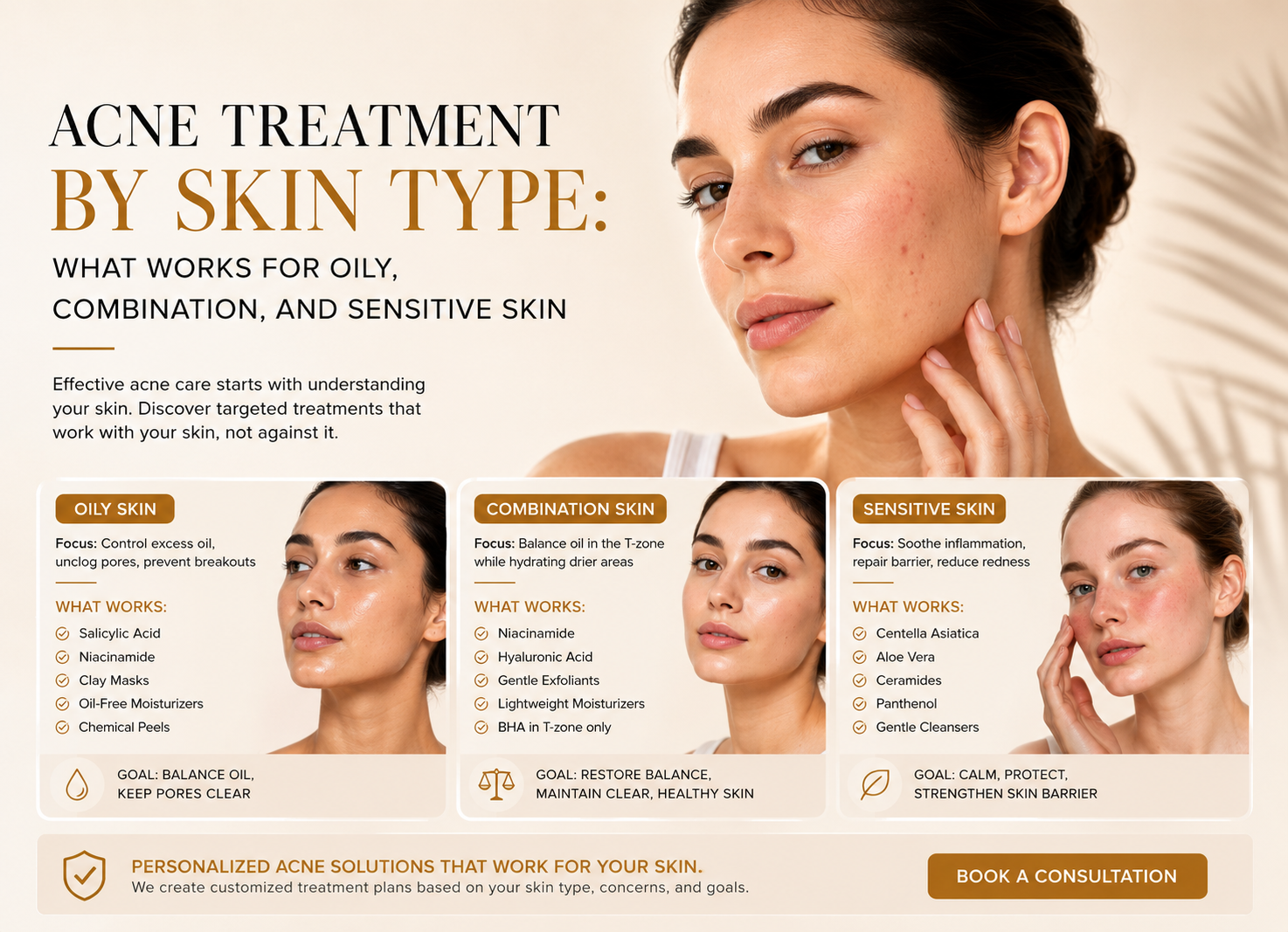
To prevent problems after acne, acting early matters just as much as treating them later. Managing acne at the right time can go a long way in lowering the chances of getting both dark spots after acne and scars.
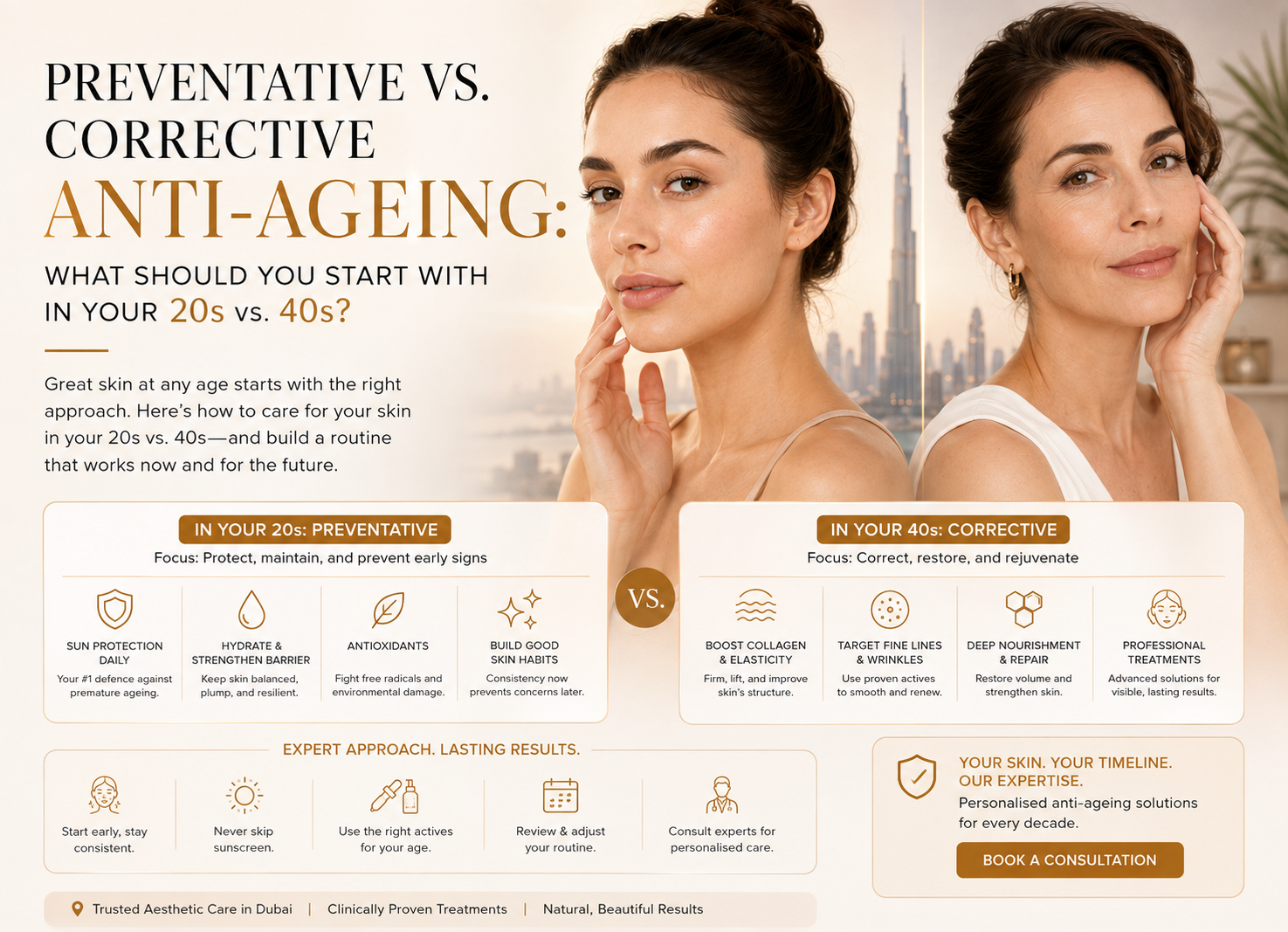
Sticking to a regular skincare routine, keeping your hands off acne, and wearing sunscreen daily play a big role in keeping your skin healthy. Getting advice from a professional can stop small breakouts from becoming bigger issues over time.
Why Pick Skinlab?
Skinlab works with a focus on expert knowledge, precise care, and treatments made just for you. Every service we offer is based on tried-and-true clinical research and designed to meet your skin’s specific needs.
Using cutting-edge tools and treatments led by skilled dermatologists, we provide safe and effective solutions that deliver results, whether it’s acne pigmentation treatment or targeted acne scar treatments that you're looking for.
Conclusion
Understanding the difference between acne marks vs acne scars is an important step to getting clearer, healthier skin. Acne marks come from pigmentation issues and tend to fade over time, while acne scars are bigger changes in the skin's structure that need specific treatments.
A good diagnosis and the right treatment plan can help you handle both problems. At Skinlab, we aim to provide lasting results by using science-based methods that prioritise patient needs.